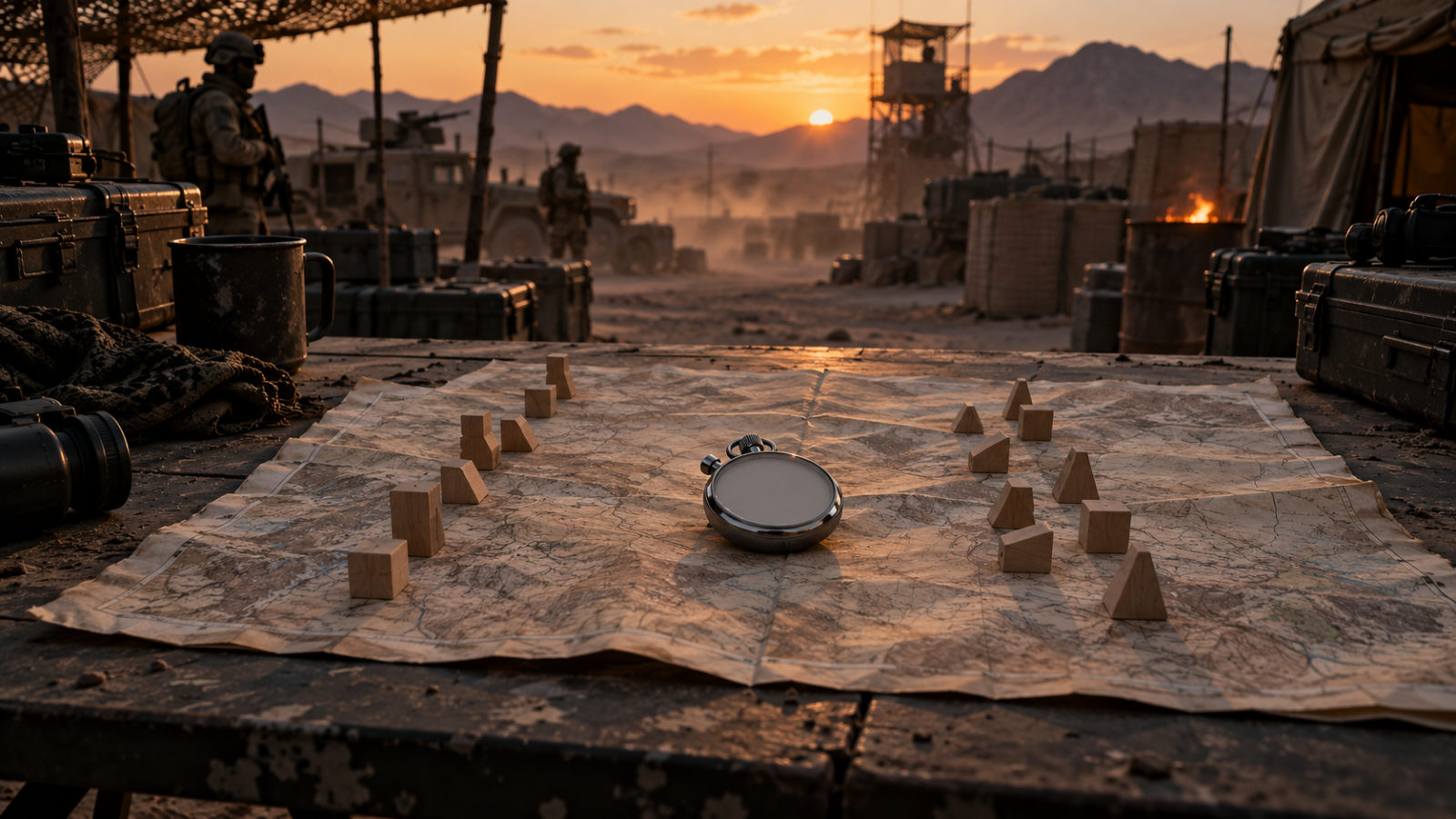
Action points or a shared timeline? The decision behind every battle
Why Terminal Leave has no action points: a round lasts five seconds, every action costs time, and both plans play out on one timeline.
Terminal Leave
How Terminal Leave is built: design decisions, mechanics under the hood, what changed in the alpha. A new post roughly every two weeks.
Why Terminal Leave has no action points: a round lasts five seconds, every action costs time, and both plans play out on one timeline.
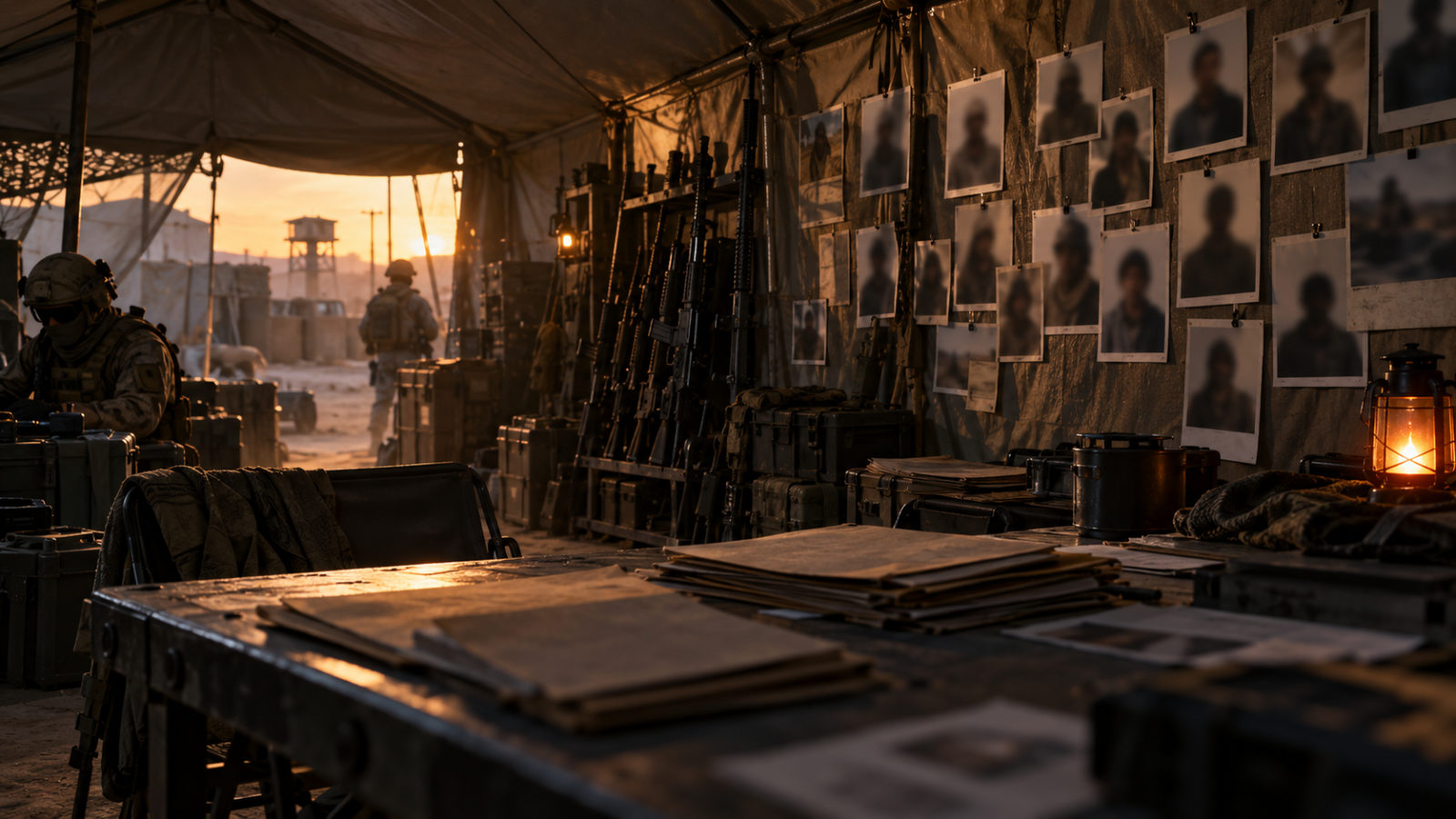
What a player does between battles: fireteams, the warehouse and shop, one recruit and veteran market for everyone, and a memorial for the fallen and missing.

Training battles, decaying stat gains and a safe place to learn before the losses become real.
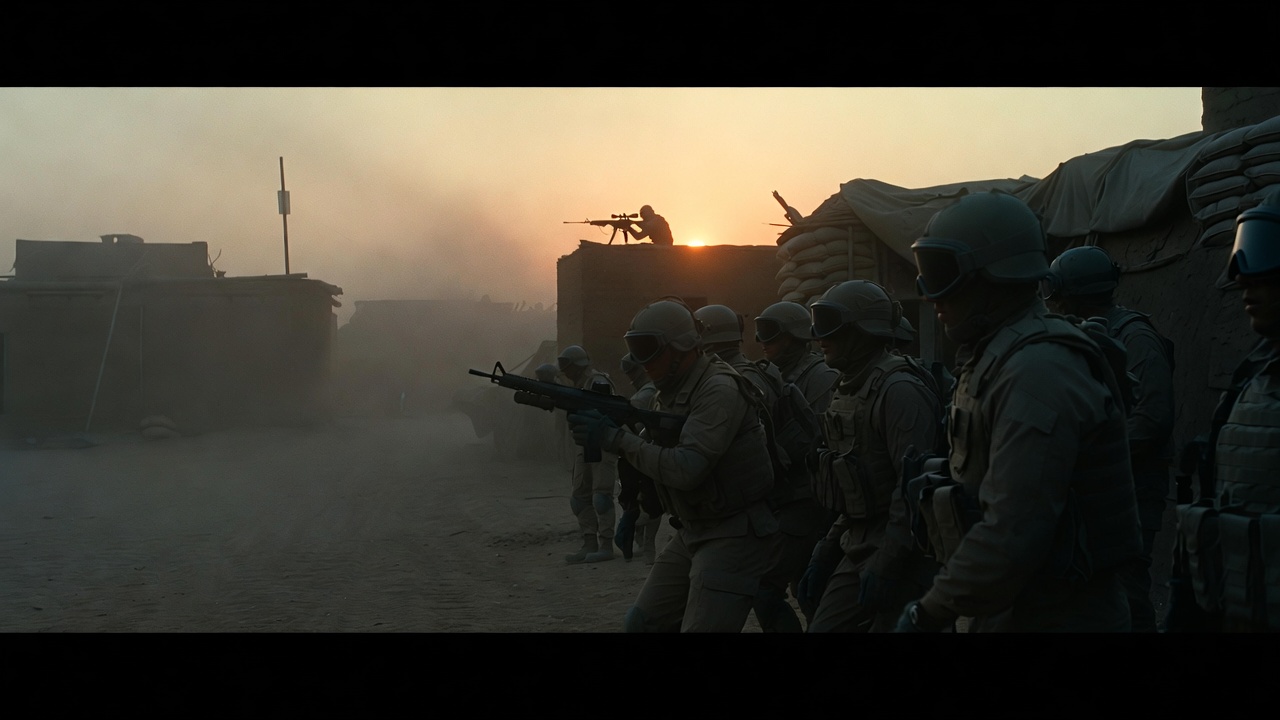
Fixes and finishing touches: soldiers keep their routes, shots follow round timing. New: waiting, corner peeking, medkits and picking up bodies in the turn plan.
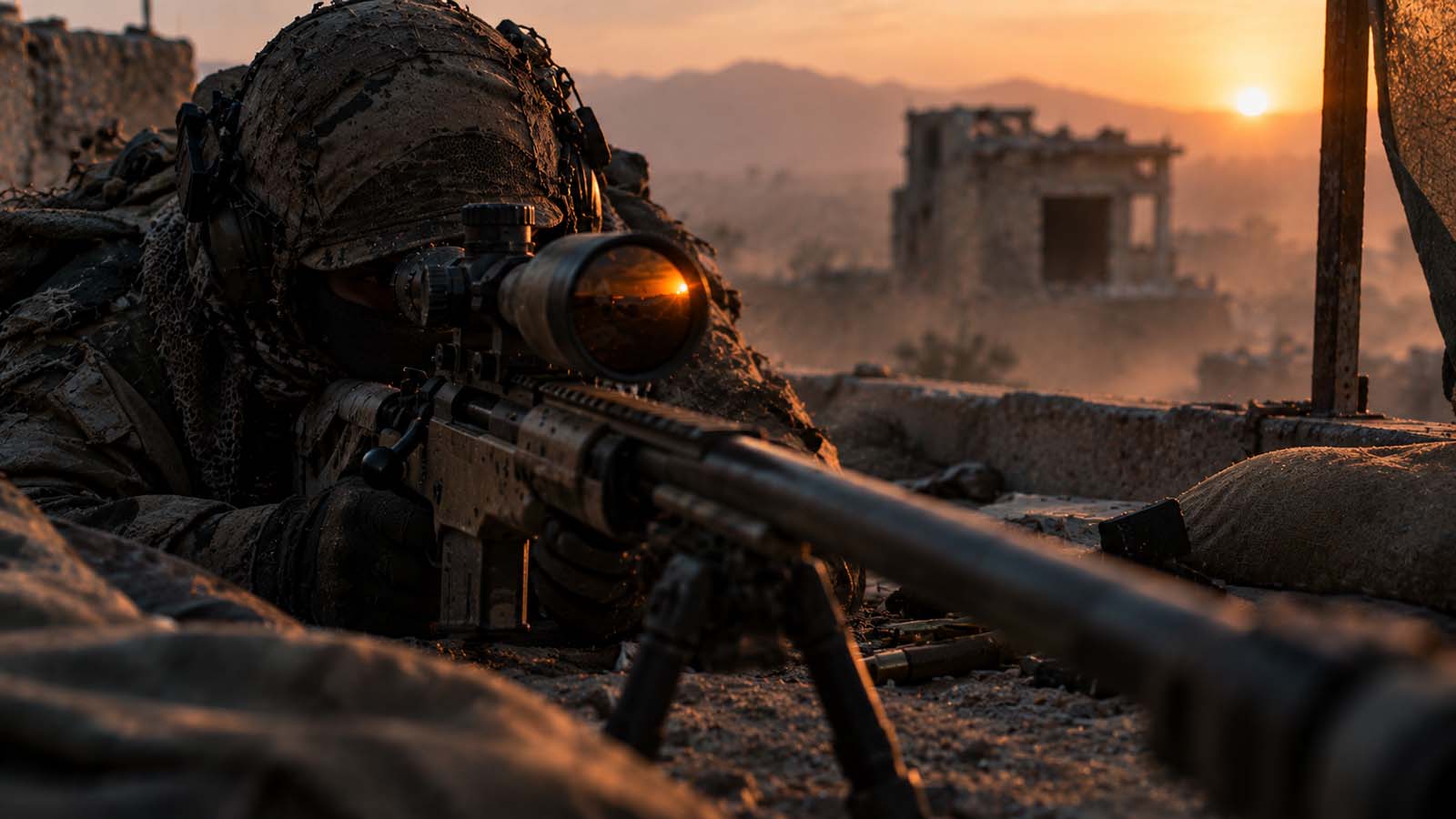
Aimed vs snap fire, bursts, suppression on a tile you can’t see into — what goes into every shot.
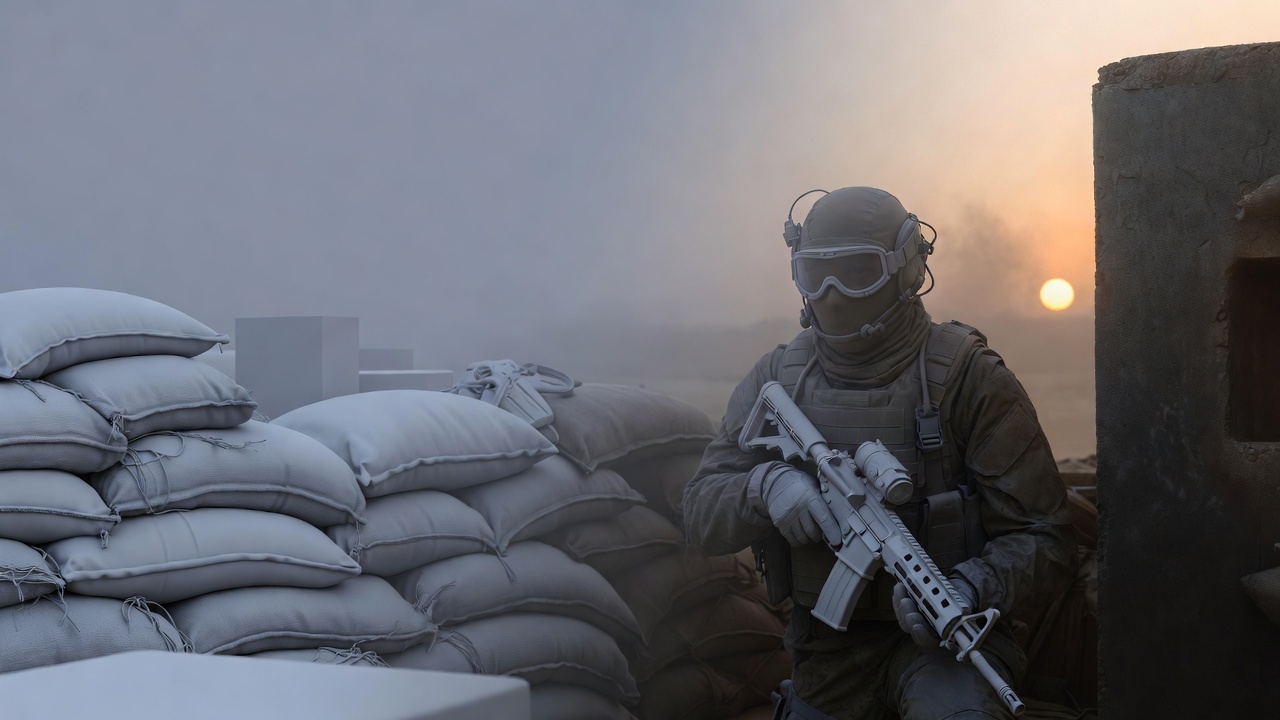
The graphics are optimised and tested on weak devices, which makes room for the textured art to come. Plus corner shots, rubber rounds and fixes to fire. The main thing in version 0.1.1 is performance: it makes room for the textured art that comes next. The full list of changes is below.
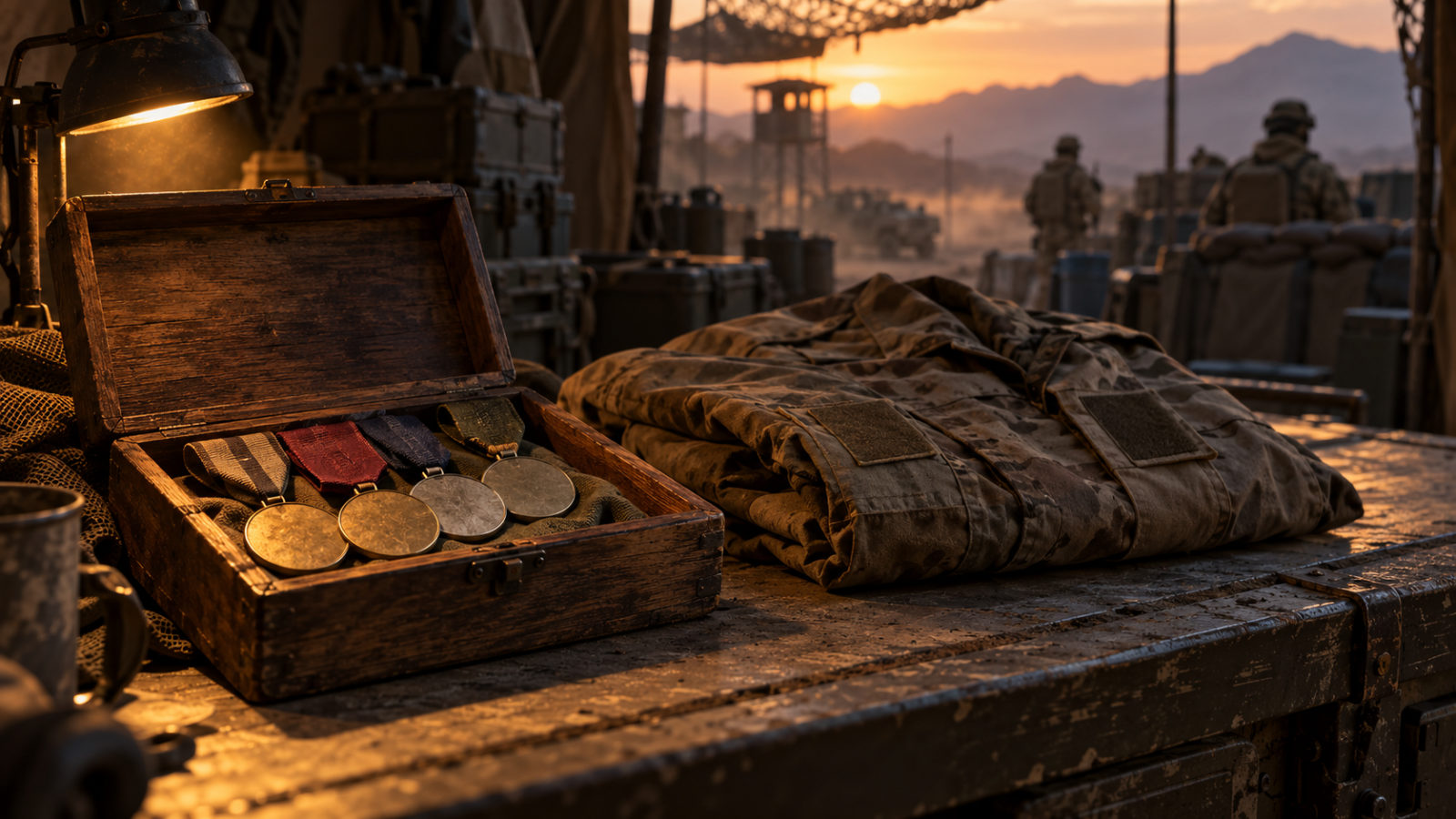
How a Terminal Leave soldier got an identity kept by the server, and a rifle got a serial number and a history of its own.
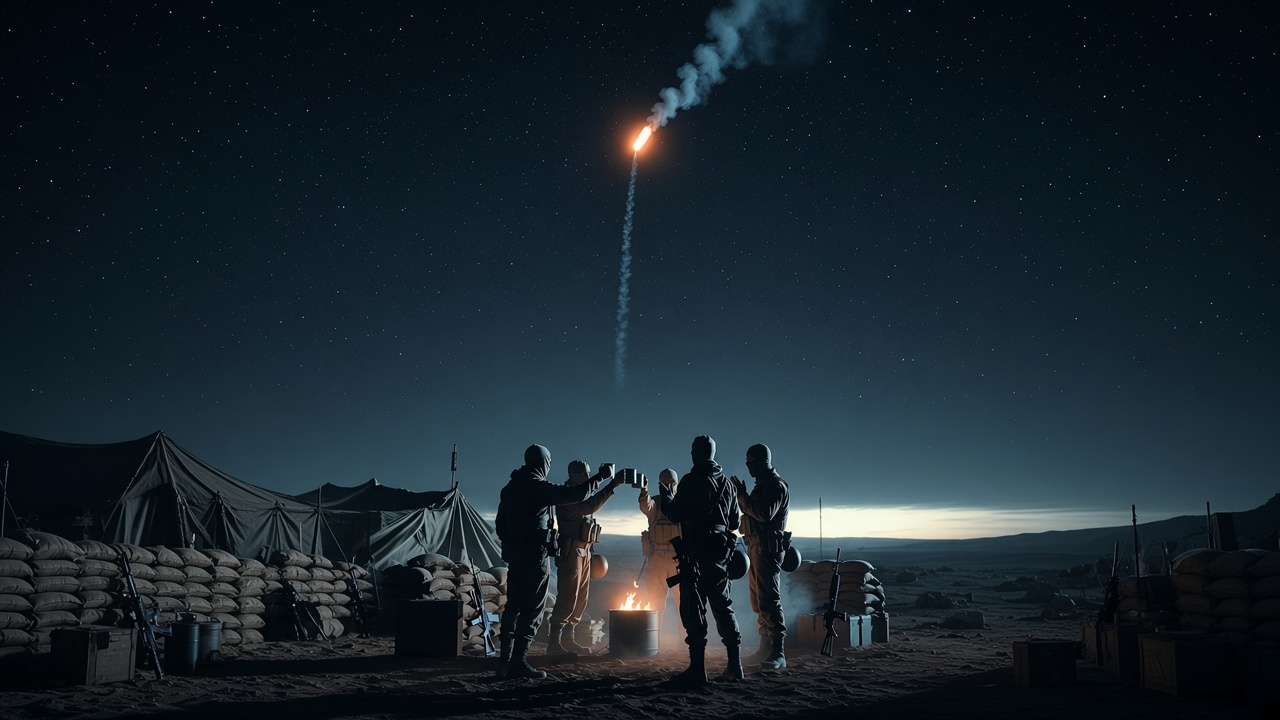
The first version we can call playable: the battle in 3D, five maps, a boot-camp tutorial, a memorial and awards. Closed alpha.
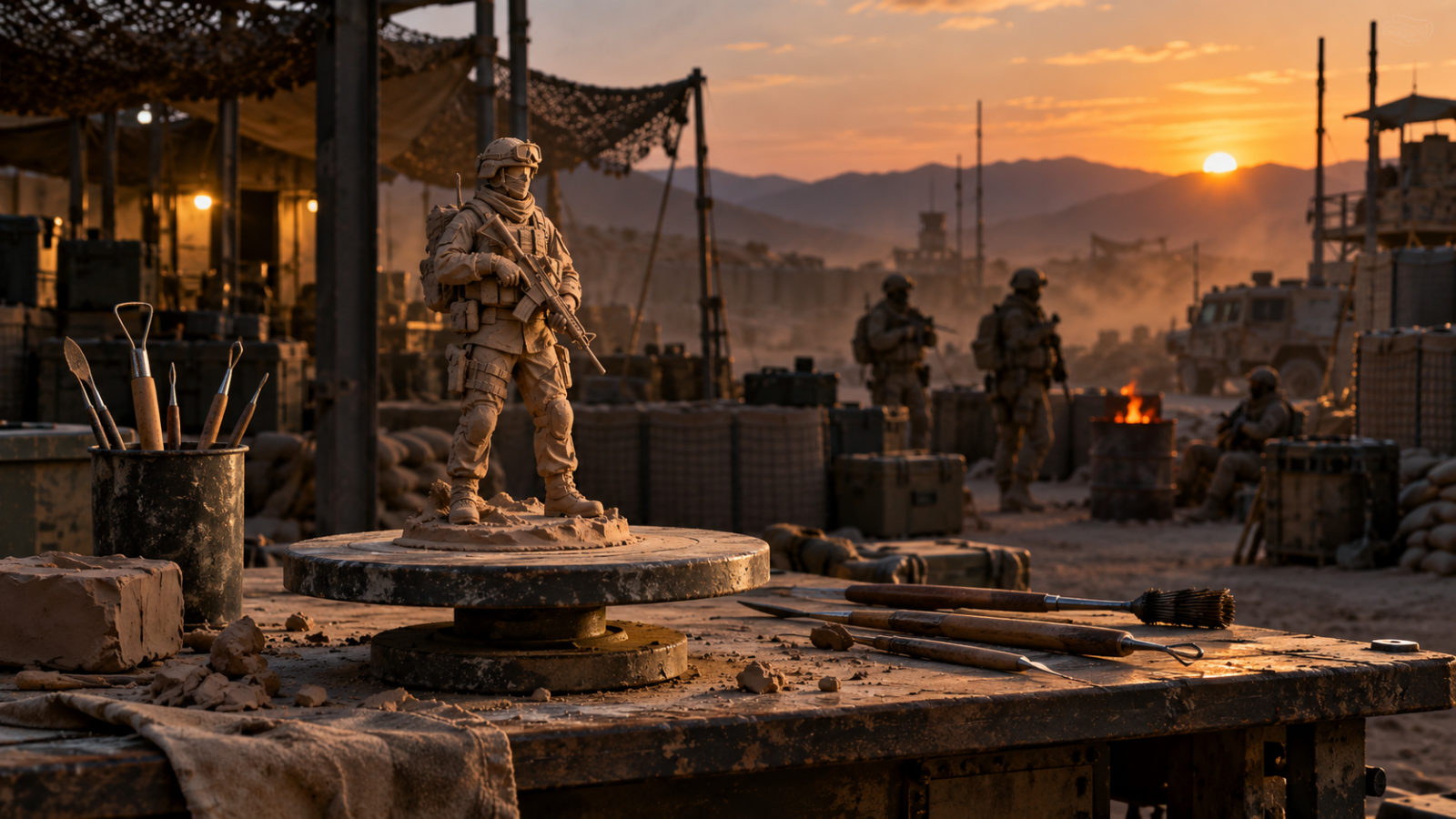
Pre-drawn animation hit a size wall, so the Terminal Leave battlefield went 3D. Why I made the call, and how the two-plus months of the move went.
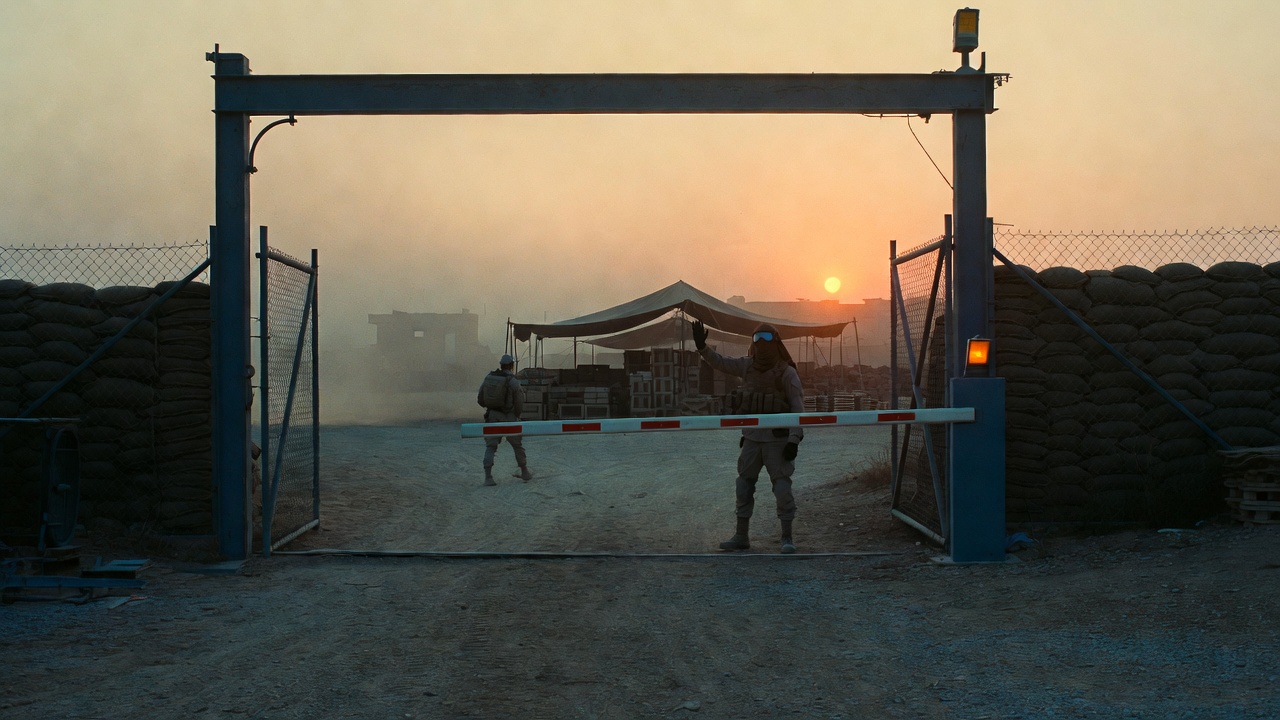
A soldier grows only from what he did in battle. The game proposes a medal; the commander awards it. How both work, and what is still rough.
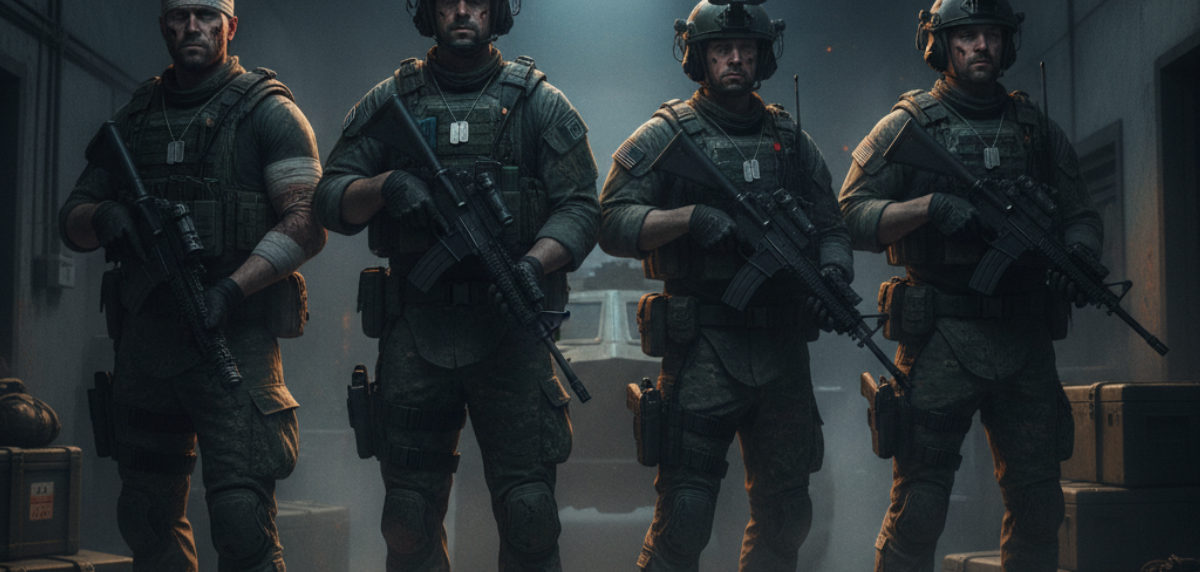
Permadeath, soldiers gone missing in action, and carrying your wounded out under fire.
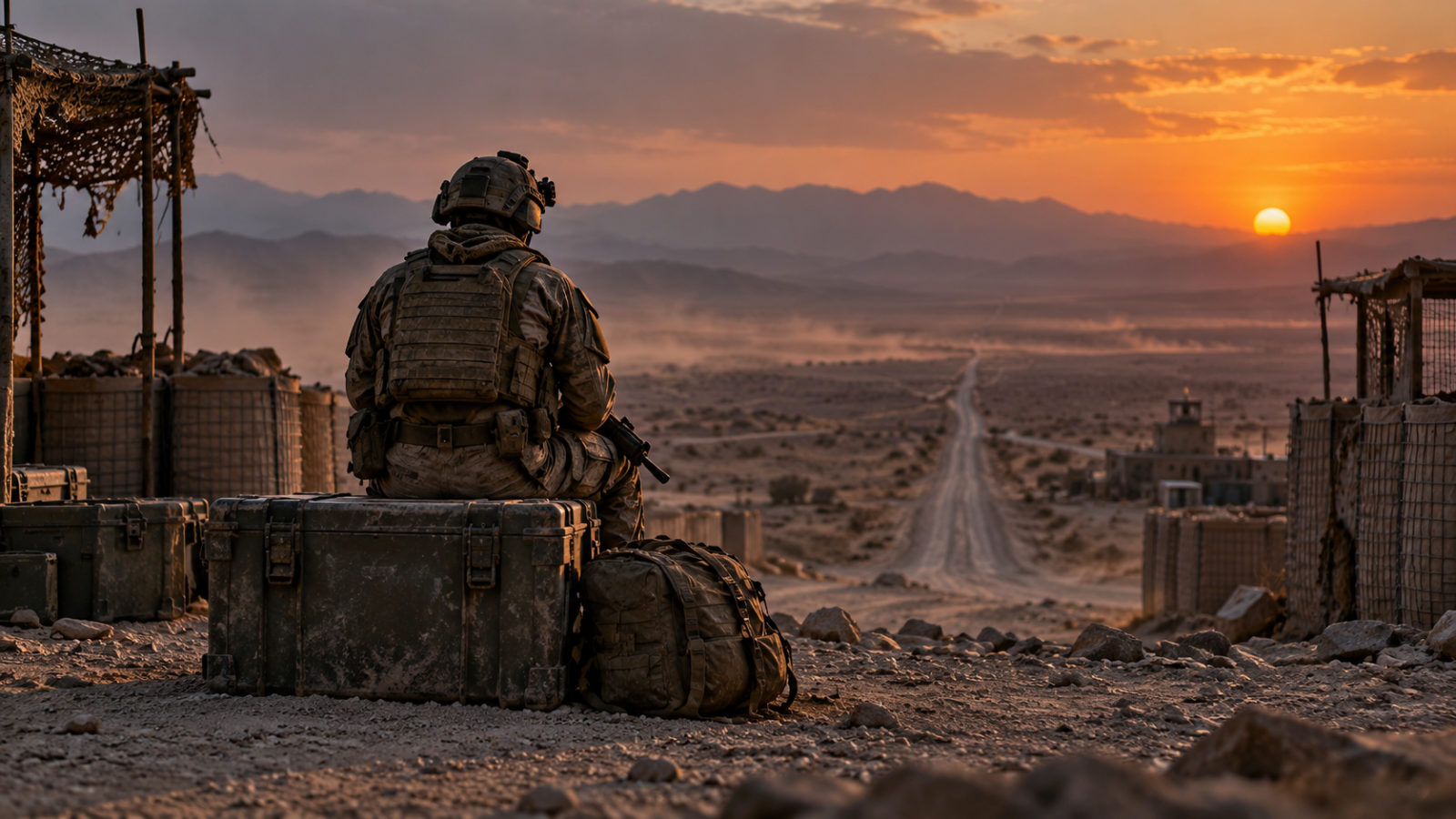
The working title UOR meant nothing. How a public name was sought, why it ended up as Terminal Leave, and why it is the same in both languages.
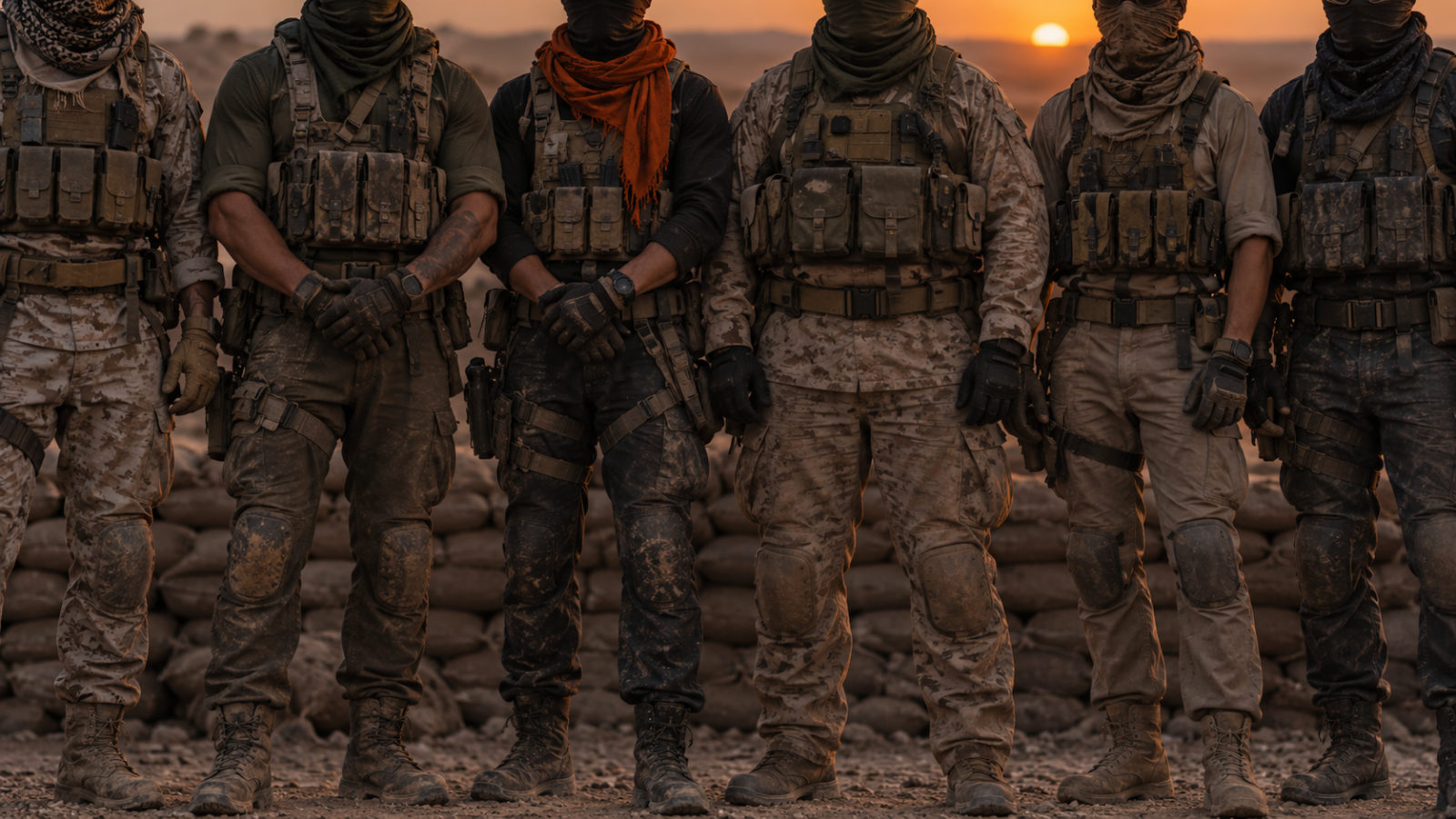
How Terminal Leave soldiers got a country, an origin, a name and a portrait that agree with one another — and how the game came to speak two languages.
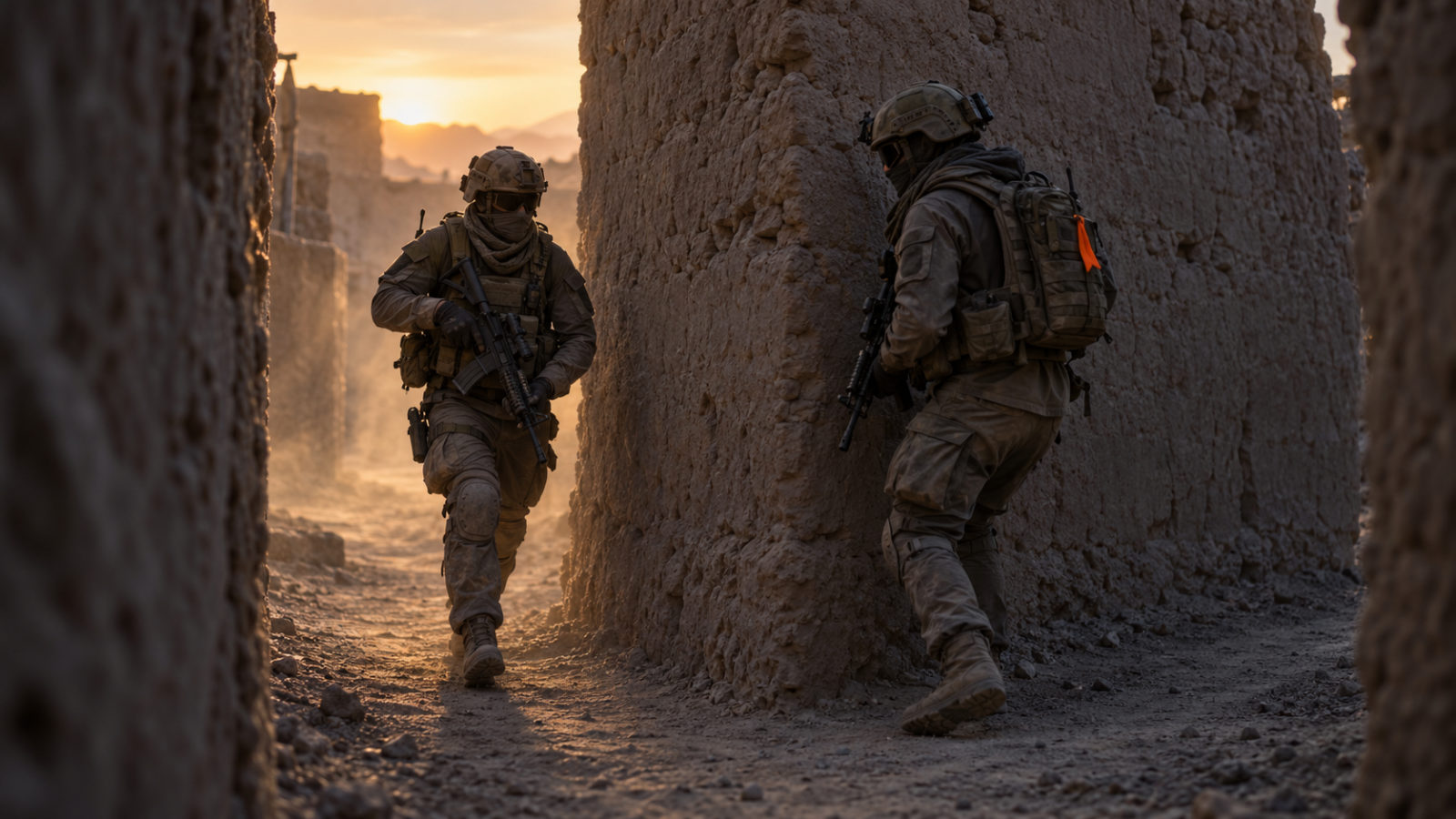
What happens when two soldiers head for the same tile at the same moment, and how per-weapon fire modes and an aiming reticle with hit chance appeared.
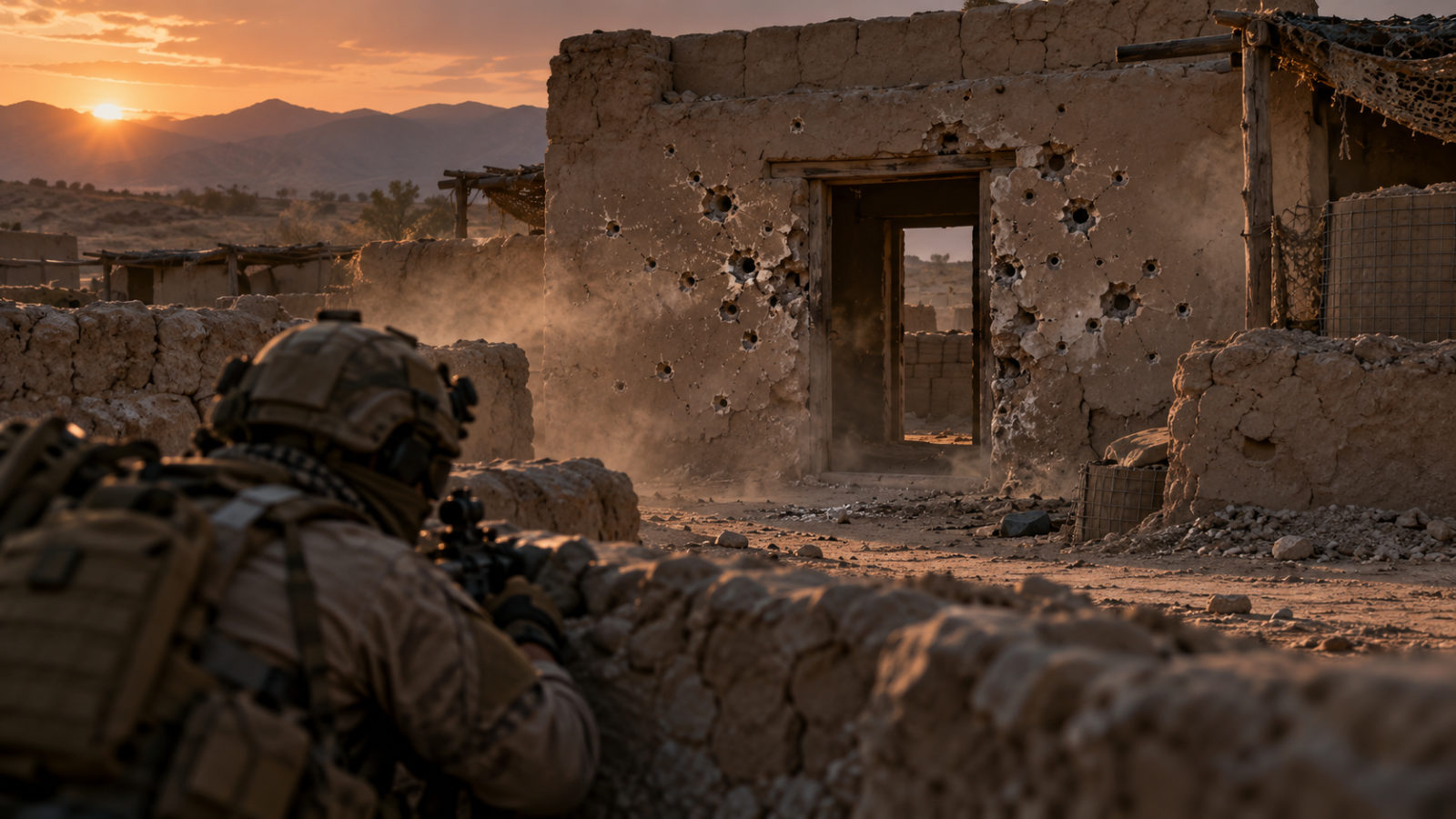
How shooting in Terminal Leave stopped being just a dice roll: stray bullets, dodging, reacting to threat, armour as an item and the weight of gear.
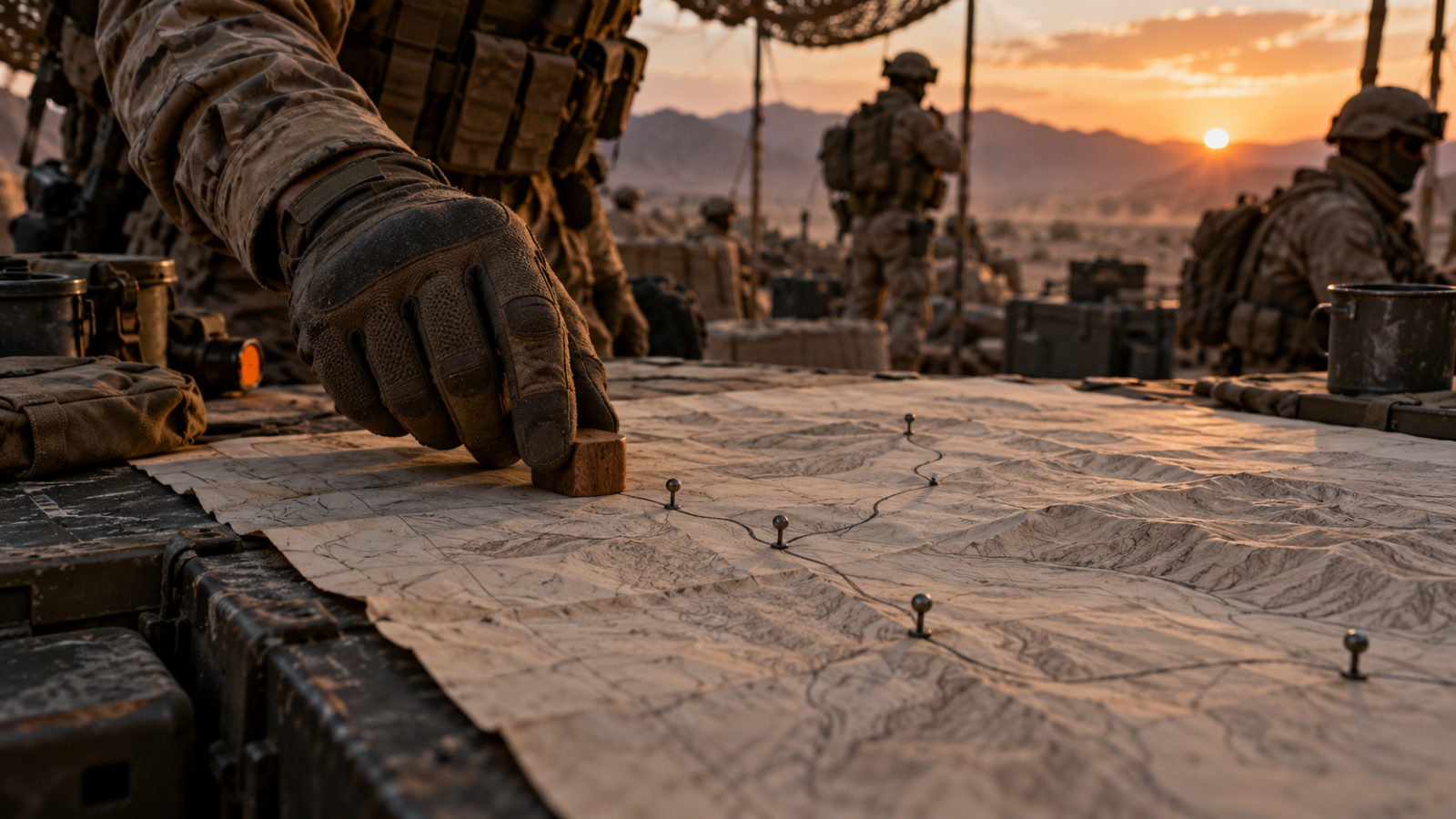
How a soldier’s plan for a round became a chain of actions: an order queue, the cost of turning, a planning cursor and an interface built around time.
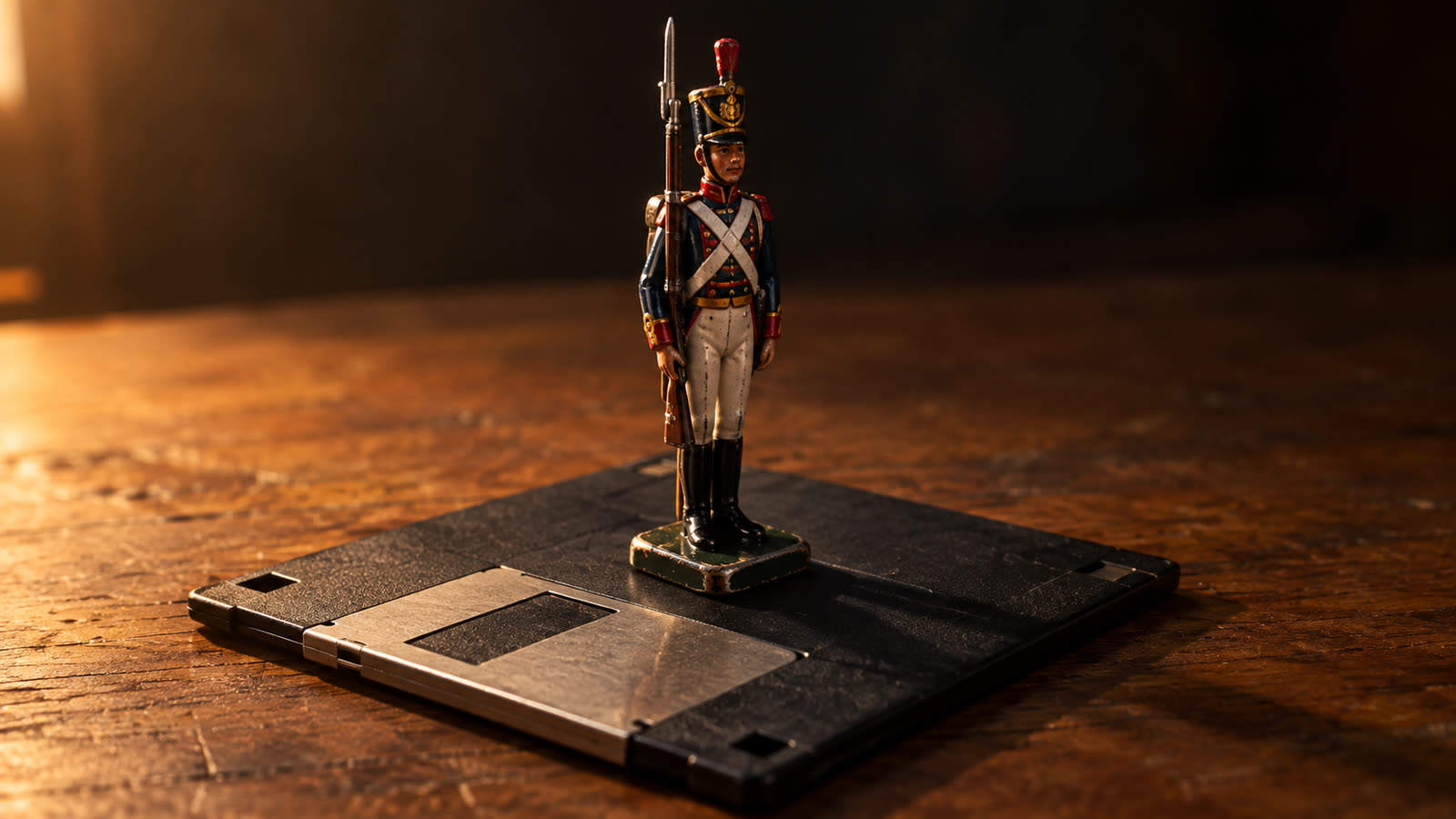
What the “AI” opponent in the demo battle is, and why “AI” in Terminal Leave means what it meant in the strategy games of the nineties.
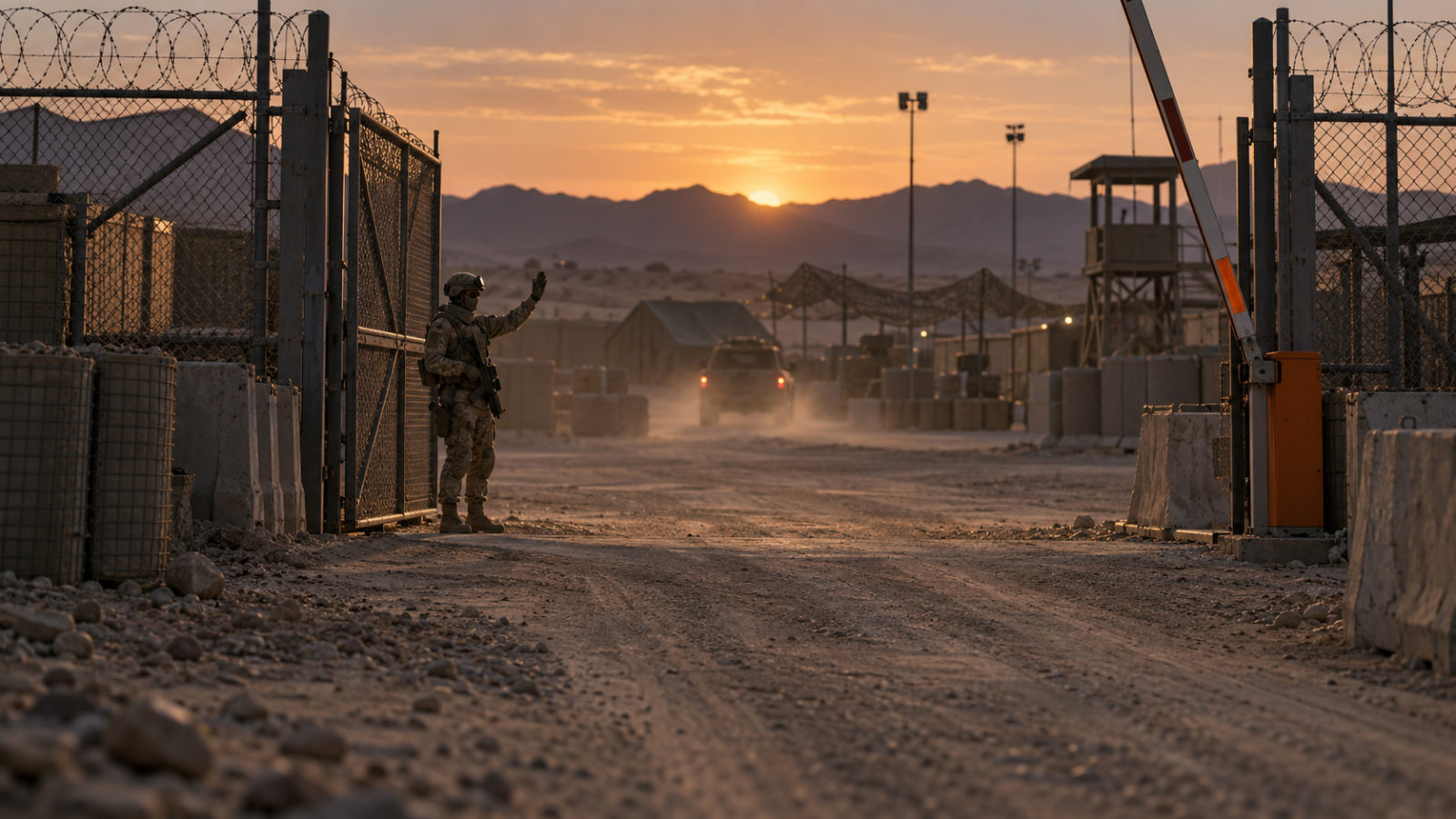
Why you can play Terminal Leave in the browser with no account, what happens to a guest’s squad on signup, and why the bot sees no more than a player.
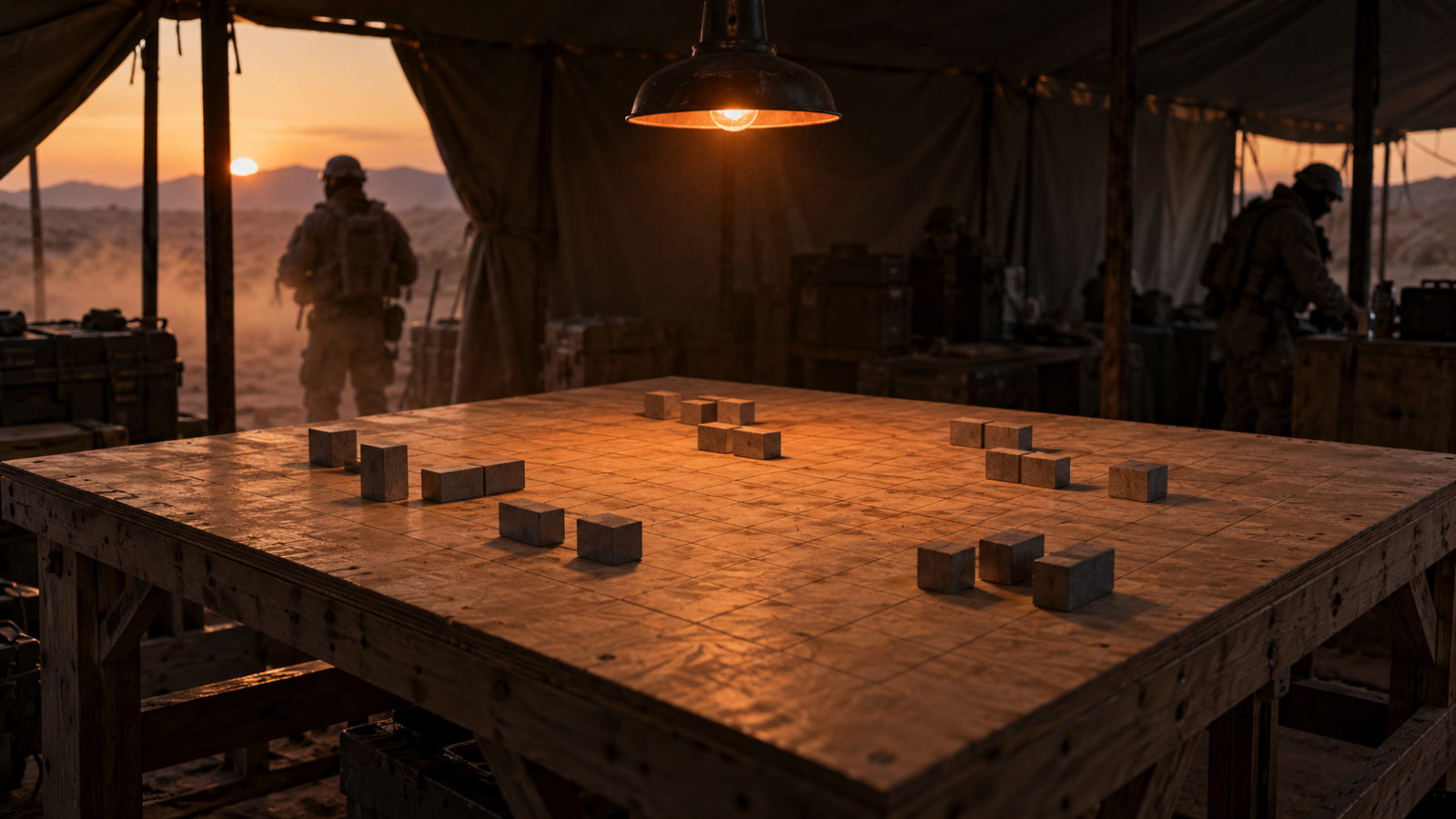
Terminal Leave’s first battles ran only in automated tests: the simulation, battle server, bots and replays worked before the first soldier appeared on screen.
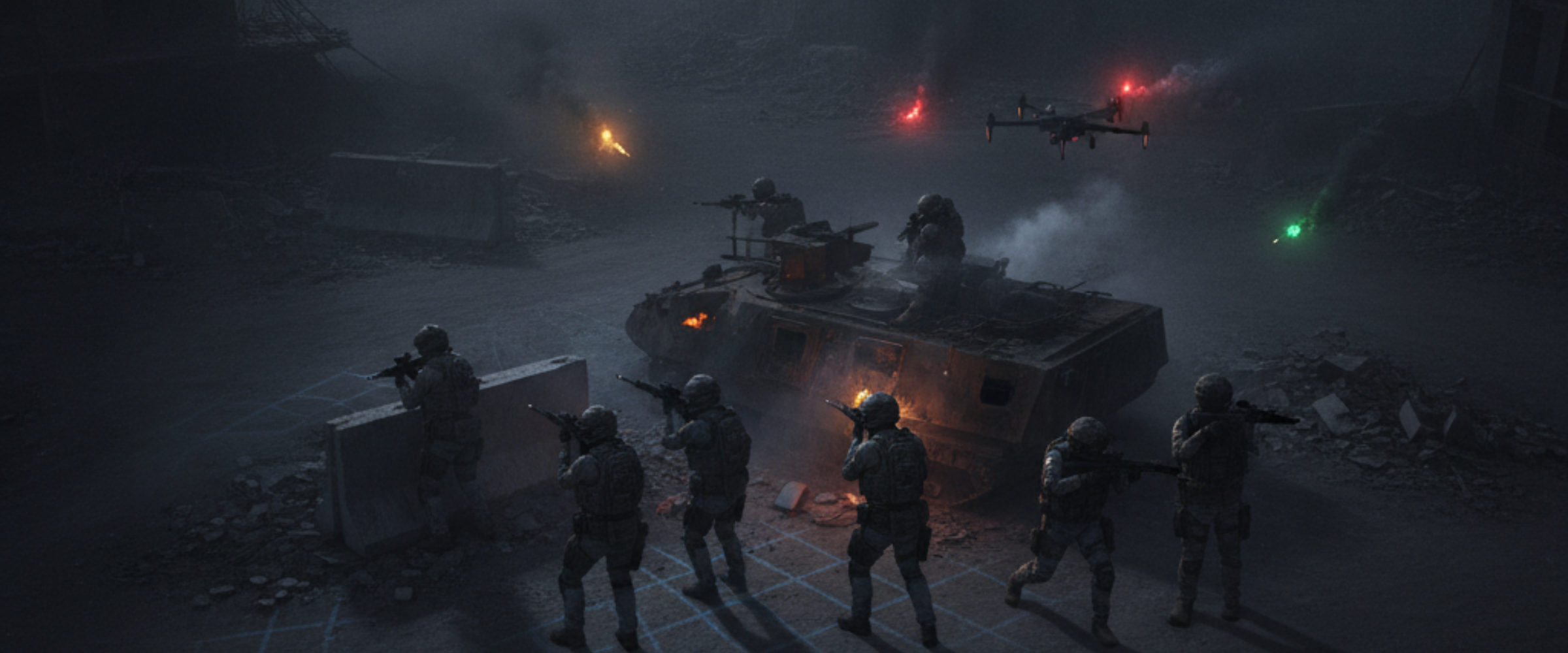
The first devlog entry: what Terminal Leave is, what already works as of mid-July, who is building it, and what this devlog will cover.